
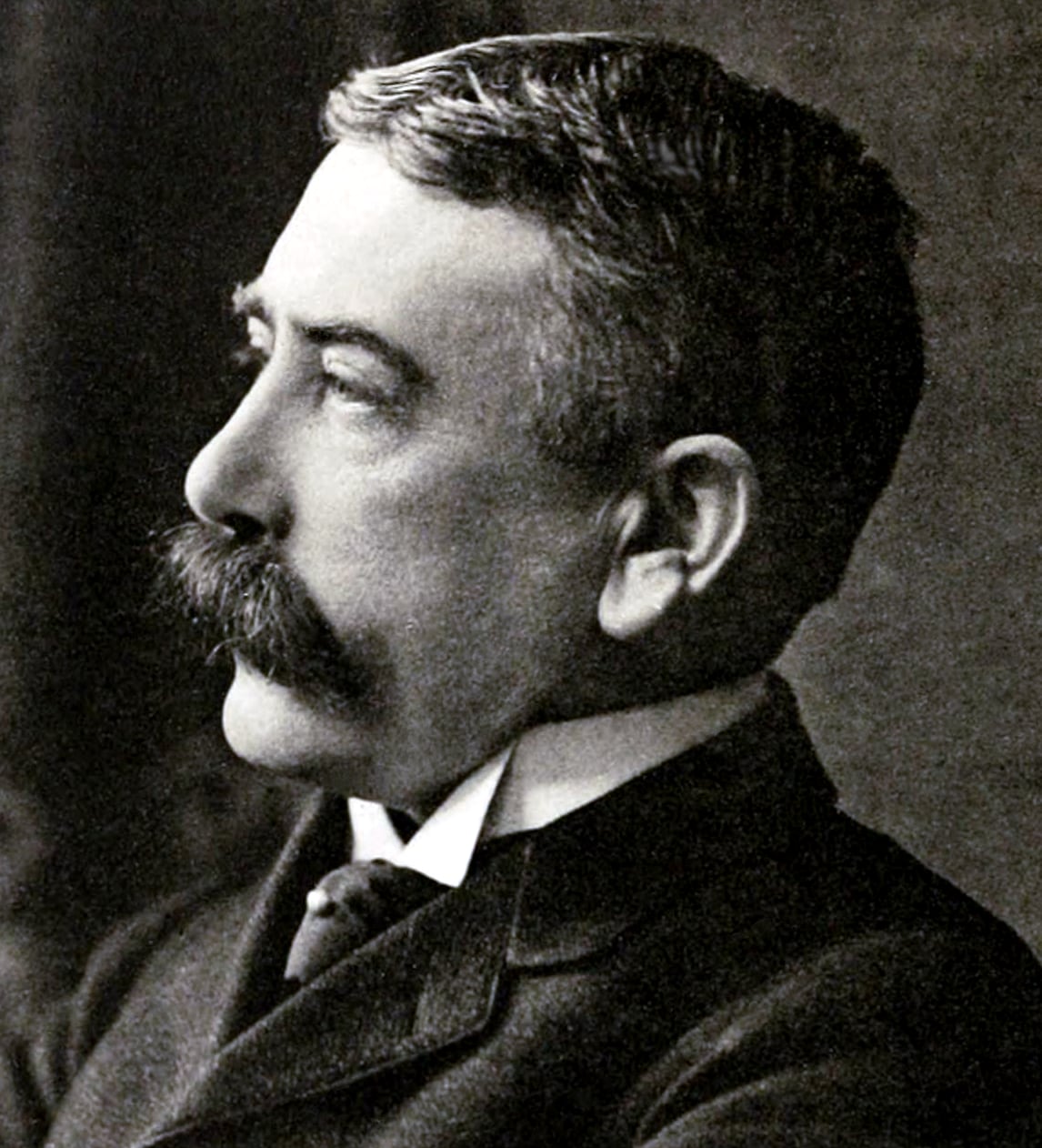
Ferdinand de Saussure
Ferdinand de Saussure (1857–1913) was a Swiss linguist from Geneva and one of the foundational figures of modern linguistics and semiology.
He began his career studying Sanskrit and the Indo-European languages, earning recognition in historical and comparative linguistics. He later taught Sanskrit, comparative philology, and general linguistics at the University of Geneva.
His decisive idea was to treat language not as a collection of words but as a system in which each element gains value through its relations with other elements. This approach profoundly influenced structuralism, semiotics, anthropology, literary theory, and philosophy.
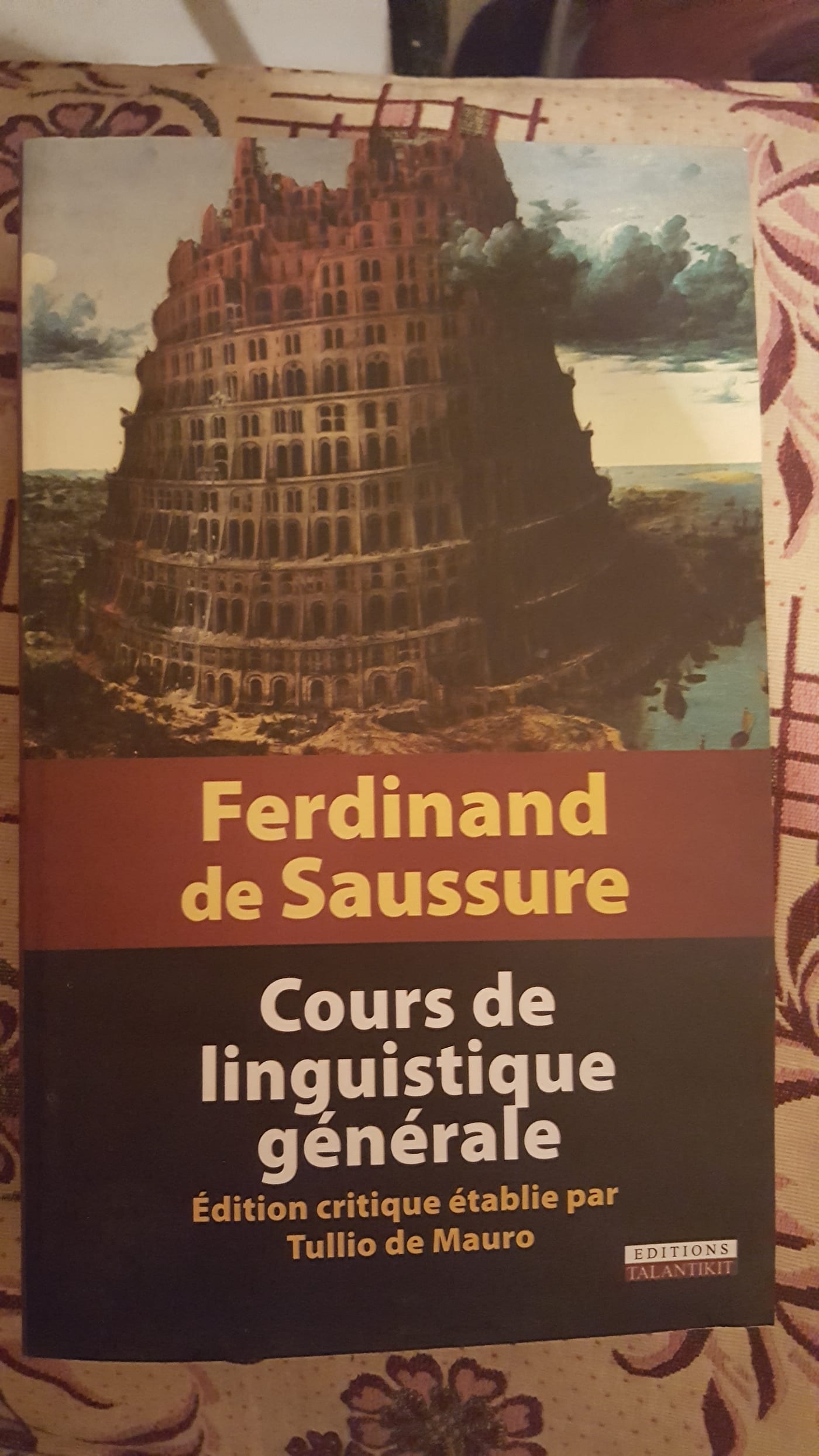
The Masterpiece He Did Not Write
Course in General Linguistics was not a book completed by Saussure himself. After his death, Charles Bally and Albert Sechehaye reconstructed it mainly from notes taken during his Geneva lectures of 1907–1911. It was published in 1916.
The text we read is therefore a reconstruction of his teaching rather than a finished manuscript in his own hand. Even so, its distinctions—langue and parole, synchrony and diachrony, signifier and signified, and the arbitrariness of the sign—transformed twentieth-century thinking about language.
What Had Linguistics Been Studying?
Grammar
Beginning with the ancient Greeks, grammar sought rules that separated correct forms from incorrect ones. For Saussure, this was a normative discipline, not yet a science grounded in the observation of language.
Philology
Philologists edited and interpreted old texts and studied the language of authors and historical periods. Their work prepared the ground for historical linguistics, but followed writing too closely and neglected living speech.
Comparative philology
In the nineteenth century, scholars compared Sanskrit, Greek, Latin, Germanic languages, and others. Franz Bopp helped turn the explanation of one related language through another into an independent field of research.

Sanskrit preserved ancient features that had disappeared from Greek and Latin. It therefore offered powerful evidence for understanding how related languages separated and changed.
Comparison Alone Cannot Explain Language
Saussure recognizes the achievements of comparative philology but finds a basic weakness in its method. Scholars compared languages without asking clearly what they were comparing, what the relationships meant, or what kind of object language itself was.
They also tended to imagine a language as a living organism that was born, grew, and declined by itself. Saussure instead moves toward an understanding of language as a social system shared by a community.
For linguistics to become a science, it must first identify its true object.
The Question Opened by the Chapter
Grammar studied “correct language,” philology studied written texts, and comparative philology studied historical relationships between languages. Yet the nature of language itself remained unclear. The historical survey does more than organize the past: it opens the central question of the entire book—what is language?


